James Andrews graduated from the U.S. Naval Academy at Annapolis, Class of 1938. He retired as a U.S. Navy Captain.

Sponsored by:

James
Gold
Andrews
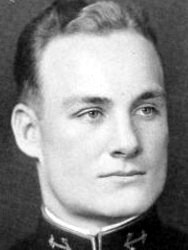
1916-09-08
–
1996-02-09
Home:
Germantown
,
Pennsylvania
Awards Received
-
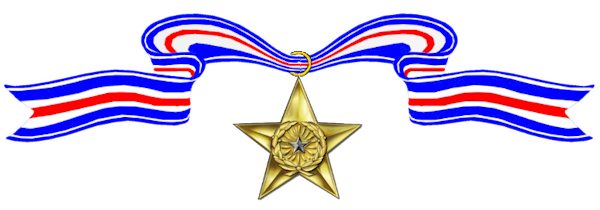
Silver Star
-
Silver Star
-
Legion of Merit
-
Silver Star
Service:
United States NavyRank:
Commander [then Lieutenant]Division:
U.S.S. Aspro (SS-309)Action Date:
November 23, 1943 – January 1, 1944
The President of the United States of America takes pleasure in presenting the Silver Star to Commander [then Lieutenant] James Gold Andrews (NSN: 0-81307/1100), United States Navy, for conspicuous gallantry and intrepidity as Assistant Approach Officer in the U.S.S. ASPRO (SS-309), during the FIRST War Patrol of that Submarine, in enemy Japanese-controlled waters, from 23 November 1943 to 1 January 1944. Skilled in the performance of duty, Commander Andrews rendered invaluable assistance to his Commanding Officer in conducting aggressive attacks against enemy shipping to sink three ships totaling over 25,000 tons and damage five ships totaling over 31,000 despite severe hostile countermeasures. His devotion to duty was in keeping with the highest traditions of the United States Naval Service.
-
Silver Star
Service:
United States NavyRank:
Lieutenant CommanderDivision:
U.S.S. Aspro (SS-309)Action Date:
July 9 – August 18, 1944
The President of the United States of America takes pleasure in presenting a Gold Star in lieu of a Second Award of the Silver Star to Lieutenant Commander James Gold Andrews (NSN: 0-81307/1100), United States Navy, for conspicuous gallantry and intrepidity in action in the performance of his duties in the U.S.S. ASPRO (SS-309), during the FOURTH War Patrol of that Submarine from 9 July to 18 August 1944. His accurate analysis of attack problems and ability to convoy vital information to his Commanding Officer were of valuable assistance in sinking more than 19,000 tons of enemy shipping and damaging over 5,000 tons. His conduct throughout was in keeping with the highest traditions of the United States Naval Service.
-
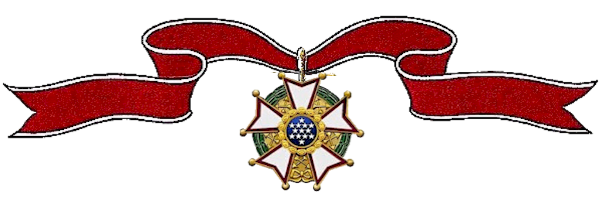
Legion of Merit
The President of the United States of America takes pleasure in presenting the Legion of Merit to Captain James Gold Andrews (NSN: 0-81307/1100), United States Navy, for exceptionally meritorious service from 18 July 1966 to 30 June 1968, as Assistant Chief of Naval Personnel for Morale Services. Exercising outstanding professional skill and resourcefulness, Captain Andrews, in addition to his many and varied assignments, has been responsible for formulating repatriation processing plans for released Navy prisoners of war. As a member of the Department of Defense Prisoner of War Policy Committee, he made significant contributions in handling the complex problems associated with prisoners of war and their dependents. Captain Andrews has maintained contact through personal visits and telephone calls with the families of the captured and missing personnel. Through his great warmth, efficiency, and empathy, he was able to increase the morale of the service member’s family and to assure them that the Navy is exerting every effort for the welfare of prisoners of war. During his tenure, he also organized, directed, and implemented a management modernization program which revitalized the Navy Special Services Program. By his outstanding professional competence, dynamic leadership, and superb management ability, Captain Andrews upheld the highest traditions of the United States Naval Service.