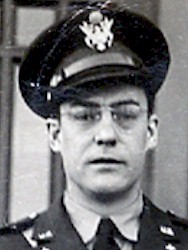
Julius Busse was born “Sebastian Benedict Busse,” in Seneca, Kansas, but his family moved in his youth and he grew up in St. Paul, Kansas, where he attended Saint Francis School from the 1st through 8th grades. From 1921 to 1925 he attended the Passionist Preparatory (high school) Seminary at Normandy, Missouri. From 1925 to 1926 he was a Novice in the Passionist Novitiate at Louisville, Kentucky. From 1926 to 1931 he studied philosophy and then theology at St. Paul, Kansas; Normandy, Missouri; Chicago, Illinois; Des Moines, Iowa; and then returned to Chicago where he was ordained as a Roman Catholic Priest. He was ordained a member of the Order of Passionist Fathers, taking the name “Father Julius” on December 20, 1931. From 1932 to 1933 he studied at Sacred Eloquence, and from 1933 to 1941 he was parochial vicar at Saint Ann Parish in Normandy; worked at Holy Family Parish in Ensley, Alabama; and was a preacher of parish missions out of Des Moines, Iowa. When World War II began he entered military service and was commissioned a U.S. Army chaplain. Following his war service, he returned to civilian ministry in Detroit, Michigan, earning the title Very Reverend, and then joined a monastery at Osaka, Japan. He returned home upon learning he had terminal cancer, and died in 1954.

Sponsored by:

–
Born:
,
Home:
,
Buried:
,
Cemetery:
Awards Received
-

Silver Star
-
Silver Star
Service:
United States ArmyRank:
Major (Chaplain’s Corps)Division:
7th Infantry DivisionAction Date:
World War II
(Citation Needed) – SYNOPSIS: The President of the United States of America, authorized by Act of Congress July 9, 1918, takes pleasure in presenting the Silver Star to Major (Chaplain’s Corps) Julius Sebastian Busse, United States Army, for gallantry in action against the enemy while serving as a Chaplain with the 7th Infantry Division, in action against enemy Japanese forces at Attu, Territory of Alaska, in 1943. While aiding the wounded on steep terrain, cut by ravines and under excellent enemy observation, two bullets passed through Chaplain Busse’s raincoat, and later a bullet smashed his eyeglasses. He continued his ministrations undeterred and his close attention to the wounded and dying while under enemy mortar, rifle, and machine gun fire was of the highest morale value to his battalion and to the men he served. The gallant actions and dedicated devotion to duty demonstrated by Chaplain Busse, without regard for his own life, were in keeping with the highest traditions of military service and reflect great credit upon himself and the United States Army.