During World War II John Murphy became an ACE, credited with destroying 6.75 enemy aircraft in aerial combat. After the war he transferred to the new U.S. Air Force, and retired in 1964 as a Colonel.

Sponsored by:

John
Byrd
Murphy
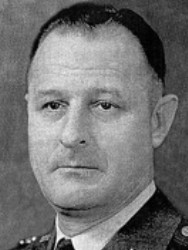
December 20, 1917
–
August 17, 1984
Born:
Charleston
,
South Carolina
Home:
Charleston
,
South Carolina
Buried:
Santa Fe
,
New Mexico
Cemetery:
Santa Fe National Cemetery
Awards Received
-
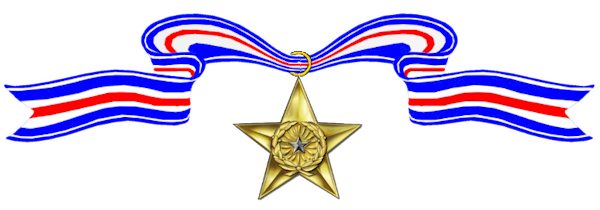
Silver Star
-
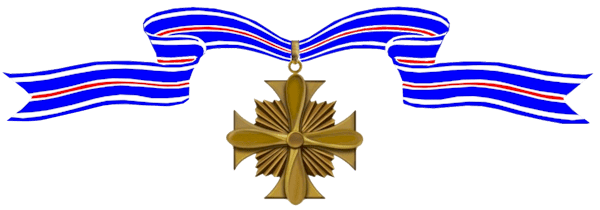
Distinguished Flying Cross
-
Distinguished Flying Cross
-
Distinguished Flying Cross
-
Distinguished Flying Cross
-
Distinguished Flying Cross
-
Silver Star
Service:
United States Army Air ForcesRank:
Lieutenant Colonel (Air Corps), [then Major]Regiment:
359th Fighter GroupDivision:
8th Air ForceAction Date:
February 22, 1944
Headquarters, 8th Air Force, General Orders No. 456 (June 18, 1944)The President of the United States of America, authorized by Act of Congress July 9, 1918, takes pleasure in presenting the Silver Star to Lieutenant Colonel (Air Corps), [then Major] John Byrd Murphy (ASN: 0-383144), United States Army Air Forces, for gallantry in action against the enemy as a Pilot of a P-47 Thunderbolt Fighter Airplane of the 359th Fighter Group, EIGHTH Air Force, while furnishing support for bombers during operations over Germany. On 22 February 1944, the section of P-47 aircraft which Colonel Murphy was leading was suddenly attacked by hostile fighters, while it was scattered to avoid an intense barrage of flak. In the ensuing battle, he became entirely separated from his unit and about two feet of the right wing tip of his plane was destroyed by cannon fire. Undaunted by this, Colonel Murphy made a vigorous attack on six (6) ME-109’s, destroying one and forcing the balance to disperse and break away. After ordering three of the four sections of the Fighter Group he was leading on 4 March 1944 to protect other formations, his lone section of twenty-four aircraft was confronted by a force of approximately one-hundred (100) enemy fighters. Exhibiting courage and cool judgment, Colonel Murphy positioned his comparatively small unit between the attacking force and the bombers and completely frustrated the assault. Not a single enemy fighter was successful in reaching the formation of bombers. The gallantry, disregard for personal safety and leadership in battle displayed by Colonel Murphy inspired his fellow flyers.
-
Distinguished Flying Cross
Service:
United States Army Air ForcesRank:
Major (Air Corps)Regiment:
359th Fighter GroupDivision:
8th Air ForceAction Date:
March 21, 1944
Headquarters, VIII Fighter Command, General Orders No. 22 (March 21, 1944)The President of the United States of America, authorized by Act of Congress, July 2, 1926, takes pleasure in presenting the Distinguished Flying Cross to Major (Air Corps) John Byrd Murphy (ASN: 0-383144), United States Army Air Forces, for extraordinary achievement while participating in aerial flight in accomplishing fifty fighter combat missions, or the equivalent thereof, over enemy occupied Continental Europe. The skillful and zealous manner in which Major Murphy has sought out the enemy and engaged him in aerial combat, his devotion to duty and courage under all conditions serve as an inspiration to his fellow flyers. His selfless actions on all these occasions reflect highest credit upon himself and the Armed Forces of the United States.
-
Distinguished Flying Cross
Service:
United States Army Air ForcesRank:
Major (Air Corps)Regiment:
359th Fighter GroupDivision:
8th Air ForceAction Date:
April 15, 1944
Headquarters, VIII Fighter Command, General Orders No. 31 (April 15, 1944)(Citation Needed) – SYNOPSIS: Major (Air Corps) John Byrd Murphy (ASN: 0-383144), United States Army Air Forces, was awarded a Bronze Oak Leaf Cluster in lieu of a Second Award of the Distinguished Flying Cross for extraordinary achievement while participating in aerial flight in accomplishing thirty fighter combat missions, or the equivalent thereof, over enemy occupied Continental Europe. The skillful and zealous manner in which Major Murphy has sought out the enemy and engaged him in aerial combat, his devotion to duty and courage under all conditions serve as an inspiration to his fellow flyers. His selfless actions on all these occasions reflect highest credit upon himself and the Armed Forces of the United States.
-
Distinguished Flying Cross
Service:
United States Army Air ForcesRank:
Lieutenant Colonel (Air Corps)Regiment:
359th Fighter GroupDivision:
8th Air ForceAction Date:
July 6, 1944
Headquarters, VIII Fighter Command, General Orders No. 57 (July 6, 1944)The President of the United States of America, authorized by Act of Congress, July 2, 1926, takes pleasure in presenting a Second Bronze Oak Leaf Cluster in lieu of a Third Award of the Distinguished Flying Cross to Lieutenant Colonel (Air Corps) John Byrd Murphy (ASN: 0-383144), United States Army Air Forces, for heroism and extraordinary achievement while participating in aerial combat and the destruction of one enemy airplane over enemy occupied Continental Europe. The skillful and zealous manner in which Lieutenant Colonel Murphy has sought out the enemy and destroyed him, his devotion to duty and courage under all conditions serve as an inspiration to his fellow flyers. His actions on all these occasions reflect the highest credit upon himself and the Armed Forces of the United States.
-
Distinguished Flying Cross
Service:
United States Army Air ForcesRank:
Lieutenant Colonel (Air Corps)Regiment:
359th Fighter GroupDivision:
8th Air ForceAction Date:
September 15, 1944
Headquarters, VIII Fighter Command, General Orders No. 84 (September 15, 1944)The President of the United States of America, authorized by Act of Congress, July 2, 1926, takes pleasure in presenting a Third Bronze Oak Leaf Cluster in lieu of a Fourth Award of the Distinguished Flying Cross to Lieutenant Colonel (Air Corps) John Byrd Murphy (ASN: 0-383144), United States Army Air Forces, for heroism and extraordinary achievement while participating in aerial combat and the destruction of three enemy airplane and sharing in the destruction of one enemy airplane over enemy occupied Continental Europe. The skillful and zealous manner in which Lieutenant Colonel Murphy has sought out the enemy and destroyed him, his devotion to duty and courage under all conditions serve as an inspiration to his fellow flyers. His actions on all these occasions reflect the highest credit upon himself and the Armed Forces of the United States.
-
Distinguished Flying Cross
Service:
United States Army Air ForcesRank:
Lieutenant Colonel (Air Corps)Regiment:
359th Fighter GroupDivision:
8th Air ForceAction Date:
August 16, 1944
Headquarters, 1st Air Division, General Orders No. 73 (January 25, 1945)The President of the United States of America, authorized by Act of Congress, July 2, 1926, takes pleasure in presenting a Fourth Bronze Oak Leaf Cluster in lieu of a Fifth Award of the Distinguished Flying Cross to Lieutenant Colonel (Air Corps) John Byrd Murphy (ASN: 0-383144), United States Army Air Forces, for extraordinary achievement while participating in aerial flight while serving as Pilot of a P-51 airplane on a bomber escort mission over Germany, 16 August 1944. On this date Colonel Murphy observed a long, dense, whit contrail of an ME-163 climbing at a great speed toward the bombers. Realizing that he could not intercept, he sighted a straggling B-17 two miles away and surmised that this would be the subject of an attack and dived immediately to protect the lone bomber. The ME-163 reached the straggler before Colonel Murphy arrived. Despite the unfavorable combat position and the superior speed of the hostile aircraft, Colonel Murphy unhesitatingly engaged the ME-163. Demonstrating consummate tactical ability he scored numerous strikes, damaging the airplane and enabling his wing man to destroy it. Pulling out after the attack, Colonel Murphy saw another ME-163 to his left. Although separated from his wing man he dived on the enemy and skillfully positioned himself. Hits were registered on the airplane and it exploded in the air. The courage, coolness and aggressiveness displayed by Colonel Murphy on this occasion reflect the highest credit upon himself and the Armed Forces of the United States.