Julius Lacey entered service in the Army Air Forces in 1929 after graduating from the University of Tennessee. He retired in 1957 as a U.S. Air Force Major General.

Sponsored by:

Julius
Kahn
Lacey
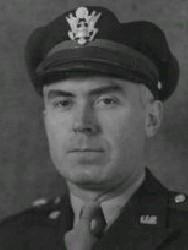
September 18,1904
–
July 5, 1992
Born:
Elizabethton
,
Tennessee
Home:
,
Texas
Buried:
San Antonio
,
Texas
Cemetery:
Fort Sam Houston National Cemetery
Awards Received
-

Army Distinguished Service Medal
-
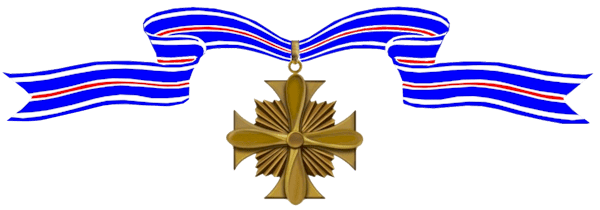
Distinguished Flying Cross
-

Silver Star
-
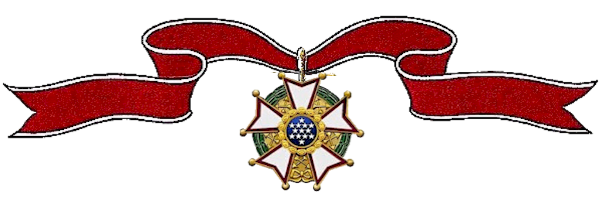
Legion of Merit
-
Legion of Merit
-
Distinguished Flying Cross
-
Silver Star
-
Army Distinguished Service Medal
Service:
United States Air ForceRank:
Major GeneralAction Date:
October 20, 1953 – June 2, 1955
Department of the Army, General Orders No. 43 (June 24, 1955)The President of the United States of America, authorized by Act of Congress July 9, 1918, takes pleasure in presenting the Army Distinguished Service Medal to Major General Julius Kahn Lacey (AFSN: 538A/ASN: 0-18008), United States Air Force, for exceptionally meritorious and distinguished services to the Government of the United States, in positions of great responsibility as Vice Commander, FIFTH Air Force, and Senior Member, United Nations Component of the Military Armistice Commission, in Korea, from 20 October 1953 to 4 May 1954; and Special Assistant to the Commander, Far East Air Forces, Assistant Chief of Staff, J-3, and Deputy Chief of Staff for Plans, United Nations and Far East Commands, in Japan from 5 May 1954 to 2 June 1955. Evincing astute comprehension of the psychological and political aspects of the sensitive international problems encountered, General Lacey proffered timely recommendations on matters of major decision, policy and planning, and developed attitudes, concepts and tactics which permitted reasoned negotiation and logical conclusions. He served with equal distinction as Assistant Chief of Staff, J-3, and Deputy Chief of Staff For Plans, Far East and United Nations Commands, in the preparation of joint plans, directives and policies for the preservation of peace and freedom in the Far East. Major General Lacey’s dynamic leadership and aggressive actions were reflected in operational effectiveness throughout the areas of his responsibility, and materially furthered the missions and objectives of the United Nations Command reflecting utmost credit upon himself and the military service.
-
Distinguished Flying Cross
Service:
United States Army Air ForcesRank:
Colonel (Air CorpsRegiment:
94th Combat Bombardment WingDivision:
8th Air ForceAction Date:
June 21, 1944
The President of the United States of America, authorized by Act of Congress, July 2, 1926, takes pleasure in presenting a Bronze Oak Leaf Cluster in lieu of a Second Award of the Distinguished Flying Cross to Colonel (Air Corps Julius Kahn Lacey (AFSN: 538A/ASN: 0-18008), United States Army Air Forces, for extraordinary achievement while participating in aerial flight as Air Commander of a Bombardment Division composed of B-17 aircraft on a heavy bombardment mission over Germany, 21 June 1944. On this occasion General Lacey assembled the formations under his command with great precision and consummate flying skill. Areas of intense anti-aircraft fire were assiduously avoided along the route to the vital enemy objective. Upon reaching the target area, General Lacey directed the aircraft of the formation on a highly successful bombing run. Despite a broken cloud cover and hazardous flak encountered over the important objective, he performed his duties with such exceptional proficiency that great damage was inflicted upon the designated target. The outstanding leadership and tenacious devotion to duty exhibited by General Lacey were instrumental in the superior results attainted. The courage, coolness and skill displayed by this officer reflect the highest credit upon himself and the Armed Forces of the United States.
-
Silver Star
Service:
United States Army Air ForcesRank:
Colonel (Air Corps)Regiment:
94th Combat Bombardment WingDivision:
8th Air ForceAction Date:
July 14, 1943
Headquarters, 8th Air Force, General Orders No. 210 (November 18, 1943)The President of the United States of America, authorized by Act of Congress July 9, 1918, takes pleasure in presenting the Silver Star to Colonel (Air Corps) Julius Kahn Lacey (AFSN: 538A/ASN: 0-18008), United States Army Air Forces, for gallantry in action against the enemy while serving as Commanding Officer of the 94th Combat Bombardment Wing, EIGHTH Air Force while leading his Heavy Bombardment Wing on a mission over enemy-occupied Europe, 14 July 1943. Colonel Lacey directed the attack from his position in the leading aircraft of the formation. Though subjected to persistent assaults by enemy fighters and intense and accurate anti-aircraft fire during the bombing run, he skillfully led the formation over the assigned target and wrought vast devastation on an important military installation. The gallantry, skill and leadership displayed by Colonel Lacey were directly responsible for the completion of a highly successful mission and reflect highest credit upon himself and the Armed Forces of the United States.
-
Legion of Merit
Service:
United States Army Air ForcesRank:
Brigadier GeneralAction Date:
November 1943 – May 1945
The President of the United States of America, authorized by Act of Congress, 20 July 1942, takes pleasure in presenting the Legion of Merit to Brigadier General Julius Kahn Lacey (AFSN: 538A/ASN: 0-18008), United States Army Air Forces, for exceptionally meritorious conduct in the performance of outstanding services to the Government of the United States as Commanding Officer of the 94th Combat Bombardment Wing, EIGHTH Air Force, from November 1943 to May 1945. During this entire period, General Lacey demonstrated outstanding executive ability and judgment in supervising the organization, planning and training of his units and in the successful direct execution of the prosecution of the air war by them. His forceful leadership and indefatigable energy, his insistence on proper training, excellent maintenance and accurate bombing techniques were decisive factors in the placing of the units of his command among the first in Europe. His air leadership in prescribing and conducting the disposition of his units in the tactical order of battle, was in large measure responsible for the outstanding record of his command in inflicting disproportionate losses upon the enemy and in helping to wrest the command of the air from him.
-
Legion of Merit
Service:
United States Air ForceRank:
Major GeneralAction Date:
October 31, 1944 – August 12, 1957
The President of the United States of America, authorized by Act of Congress, 20 July 1942, takes pleasure in presenting a Bronze Oak Leaf Cluster in lieu of a Second Award of the Legion of Merit to Major General Julius Kahn Lacey (AFSN: 538A/ASN: 0-18008), United States Air Force, for exceptionally meritorious conduct in the performance of outstanding services to the Government of the United States as Commandant of the Air Force Institute of Technology from 31 October 1955 to 12 August 1957. Through General Lacey’s leadership, insight and ceaseless efforts the Institute made outstanding progress in fulfilling its vital mission. His unusual foresight and initiative in developing and improving educational policies, materially advanced the technical curriculum. General Lacey personally developed a long range educational philosophy that has gained the Air Force Institute of Technology and the Air Force primary and lasting benefits. The singularly distinctive accomplishments of General Lacey reflect great credit upon himself and the United States Air Force.
-
Distinguished Flying Cross
Service:
United States Army Air ForcesRank:
Colonel (Air CorpsRegiment:
94th Combat Bombardment WingDivision:
8th Air ForceAction Date:
December 13, 1943
Headquarters, 8th Air Force, General Orders No. 89 (February 24, 1944)The President of the United States of America, authorized by Act of Congress, July 2, 1926, takes pleasure in presenting the Distinguished Flying Cross to Colonel (Air Corps Julius Kahn Lacey (AFSN: 538A/ASN: 0-18008), United States Army Air Forces, for extraordinary achievement while participating in aerial flight while serving as Air Commander of a Heavy Bombardment Task Force on a mission over Germany, 13 December 1943. Colonel Lacey directed this important attack from his position as Co-Pilot of the leading aircraft of the formation. Due to a heavy overcast and the failure of special equipment in his plane just prior to reaching the objective, he ordered the Wing following his to take over the lead position and make the first run over the target. Colonel Lacey then maneuvered the balance of the formation in behind the new lead Wing and accomplished a highly successful bombing run. The vast damage wrought on an installation of great importance to the enemy is attributable to the courage, skill and superb leadership of Colonel Lacey. His actions on this occasion reflect highest credit upon himself and the Armed Forces of the United States.
-
Silver Star
Service:
United States Army Air ForcesRank:
Colonel (Air Corps)Regiment:
94th Combat Bombardment WingDivision:
8th Air ForceAction Date:
March 8, 1944
Headquarters, U.S. Strategic Air Forces in Europe, General Orders No. 24 (April 17, 1944)The President of the United States of America, authorized by Act of Congress July 9, 1918, takes pleasure in presenting a Bronze Oak Leaf Cluster in lieu of a Second Award of the Silver Star to Colonel (Air Corps) Julius Kahn Lacey (AFSN: 538A/ASN: 0-18008), United States Army Air Forces, for gallantry in action against the enemy while serving as Commanding Officer of the 94th Combat Bombardment Wing, EIGHTH Air Force on 8 March 1944. On this date, Colonel Lacey volunteered to lead a strong bomber formation against vital and well-defended military installations near Berlin, Germany. Despite the knowledge that the enemy would use every possible means to prevent bombing of this installation, Colonel Lacey, in insure success, requested and received permission to lengthen the time for the bombing run. Flying in the leading airplane throughout the entire mission, Colonel Lacey demonstrated exceptional personal courage, coolly directed the operations of his formation while under fierce fighter attacks and a heavy anti-aircraft barrage. By his great skill, his gallant leadership, and his courage Colonel Lacey rendered outstanding service to our nation.