Major Konrad Wigand Trautman (AFSN: 0-1909945), United States Air Force, was held as a Prisoner of War in North Vietnam from October 5, 1967 until his release on March 14, 1973.

Sponsored by:


Awards Received
-

Distinguished Flying Cross
-
Silver Star
-

Air Force Cross
-
Distinguished Flying Cross
-
Bronze Star Medal
-
Bronze Star Medal
-
Distinguished Flying Cross
-
Legion of Merit
-
Legion of Merit
-
Distinguished Flying Cross
Headquarters, 7th Air Force, Special Orders No. G-1990 (November 13, 1967)The President of the United States of America, authorized by Act of Congress, July 2, 1926, takes pleasure in presenting a Second Bronze Oak Leaf Cluster in lieu of a Third Award of the Distinguished Flying Cross with Combat “V” to Captain Konrad Wigand Trautman (AFSN: 0-1909945), United States Air Force, for heroism while participating in aerial flight as pilot of a F-105D Thunderchief over North Vietnam on 23 August 1967. On that date, Captain Trautman, in the midst of heavy anti-aircraft weapon fire and attacking hostile aircraft, turned from the safety of his flight to render assistance to the crew of a stricken aircraft. Staying in the hostile target area, Captain Trautman maintained a visual watch on the falling aircraft until it impacted. Not until he was certain of the fate of the unfortunate crew did he give any thought to his own safety. The outstanding heroism and selfless devotion to duty displayed by Captain Trautman reflect great credit upon himself and the United States Air Force.
-
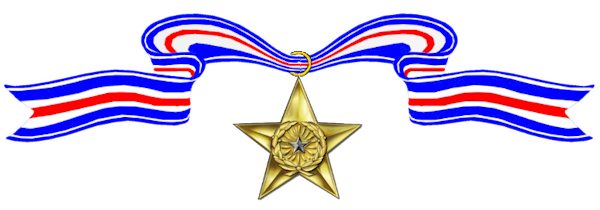
Silver Star
Service:
United States Air ForceRank:
CaptainBatallion:
13th Tactical Fighter SquadronDivision:
Korat Royal Thai Air Base, ThailandAction Date:
October 5, 1967
Headquarters, 7th Air Force, Special Order G-1988 (November 13, 1967The President of the United States of America, authorized by Act of Congress July 9, 1918 (amended by an act of July 25, 1963), takes pleasure in presenting the Silver Star to Captain Konrad Wigand Trautman (AFSN: 0-1909945), United States Air Force, for gallantry in connection with military operations against an opposing armed force while serving as Pilot of an F-105 Thunderchief of the 13th Tactical Fighter Squadron, Korat Royal Thai Air Base, Thailand, in action over North Vietnam, on 5 October 1967. On that date, Captain Trautman was the leader of a flight of four F-105 Thunderchiefs in an air attack against an intensely defended causeway. Although his aircraft was struck repeatedly by accurate and tracking flak, Captain Trautman courageously pressed the attack and devastated the target with his ordnance. By his gallantry and devotion to duty, Captain Trautman has reflected great credit upon himself and the United States Air Force.
-
Air Force Cross
Service:
United States Air ForceRank:
MajorDivision:
Prisoner of War (North Vietnam)Action Date:
May 10 – October 8, 1968
The President of the United States of America, authorized by Title 10, Section 8742, United States Code, takes pleasure in presenting the Air Force Cross to Major Konrad Wigand Trautman (AFSN: 0-1909945), United States Air Force, for extraordinary heroism in military operations against an opposing armed force as a Prisoner of War in North Vietnam from 10 May 1969 to 8 October 1969. Under his leadership, an escape committee was formed which eventually precipitated an escape from a prison camp located on the edge of the city of Hanoi. Though the escapees were soon recaptured, it resulted in extreme embarrassment to the camp commander who lost his position along with others of his staff. Major Trautman was subjected to a cruel round of torture in which the interrogators attempted to get details of prisoner plans and organization. Major Trautman absorbed this torture and accepted blame for the escape in a gallant bid to protect the senior ranking American and other prisoners who were active in operations against the Vietnamese. He suffered excruciating tortures and beatings resulting in many serious wounds which placed him physically and mentally on the edge of death. Through his extraordinary heroism and aggressiveness in the face of the enemy, Major Trautman reflected the highest credit upon himself and the United States Air Force.
-
Distinguished Flying Cross
Headquarters, 7th Air Force, Special Order G-1895 (November 2, 1967)The President of the United States of America, authorized by Act of Congress, July 2, 1926, takes pleasure in presenting the Distinguished Flying Cross to Captain Konrad Wigand Trautman (AFSN: 0-1909945), United States Air Force, for extraordinary achievement while participating in aerial flight as a combat strike pilot near Kep, North Vietnam on 5 August 1967. On that date, Captain Trautman flew an F-105 Thunderchief in a perilous air attack on extremely aggressive anti-aircraft batteries. Undaunted when his aircraft was engulfed by exploding flak, Captain Trautman courageously delivered his ordnance. The professional competence, aerial skill, and devotion to duty displayed by Captain Trautman reflect great credit upon himself and the United States Air Force.
-
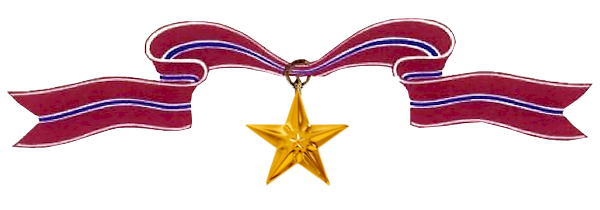
Bronze Star Medal
Service:
United States Air ForceRank:
MajorDivision:
Prisoner of War (North Vietnam)Action Date:
January 1968
The President of the United States of America, authorized by Executive Order 11046, 24 August 1962, takes pleasure in presenting the Bronze Star Medal with Combat “V” to Major Konrad Wigand Trautman (AFSN: 0-1909945), United States Air Force, for heroic action against an enemy armed force while serving as a Prisoner of War in North Vietnam during January 1968. The North Vietnamese interrogators and guards kept constant pressure on this officer through harassment, intimidation, and cruelties from which they hoped to gain information and cooperative participation in their propaganda exercises. This individual heroically resisted this treatment in a manner which served as an inspiration to others in the camp and reflected great credit upon himself and the United States Air Force.
-
Bronze Star Medal
Service:
United States Air ForceRank:
MajorDivision:
Prisoner of War (North Vietnam)Action Date:
February 1968 – August 1971
The President of the United States of America, authorized by Executive Order 11046, 24 August 1962, takes pleasure in presenting a Bronze Oak Leaf Cluster in lieu of a Second Award of the Bronze Star Medal with Combat “V” to Major Konrad Wigand Trautman (AFSN: 0-1909945), United States Air Force, for heroic achievement as a Prisoner of War while engaged in operations against an opposing armed force in North Vietnam from February 1968 to August 1971. In an atmosphere of enemy harassment and brutal treatment, he continued to establish and maintain communications through unusual and ingenious methods, which resulted in American and Allied prisoners presenting a posture of increased resistance to the enemy’s wishes, and, at the same time, improving prisoner morale. By his heroic endeavors and devotion to duty under adverse conditions of his environment, he reflected great credit upon himself and the United States Air Force.
-
Distinguished Flying Cross
Headquarters, 7th Air Force, Special Order G-1895 (November 2, 1967)The President of the United States of America, authorized by Act of Congress, July 2, 1926, takes pleasure in presenting a Bronze Oak Leaf Cluster in lieu of a Second Award of the Distinguished Flying Cross to Captain Konrad Wigand Trautman (AFSN: 0-1909945), United States Air Force, for extraordinary achievement while participating in aerial flight as a combat strike pilot at Lang Son, North Vietnam on 13 August 1967. On that date, while flying an F-105 Thunderchief Captain Trautman was directed to attack a vital unfriendly railroad yard near the border of Communist China. Although he was burdened by severe weather, he courageously pressed the attack through clouds and accurate hostile anti-aircraft fire, subsequently destroying the target. The professional competence, aerial skill, and devotion to duty displayed by Captain Trautman reflect great credit upon himself and the United States Air Force
-
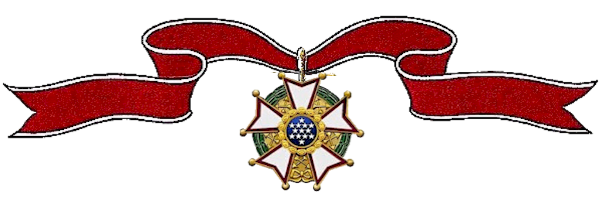
Legion of Merit
Service:
United States Air ForceRank:
ColonelAction Date:
August 15, 1976 – November 30, 1981
The President of the United States of America, authorized by Act of Congress, 20 July 1942, takes pleasure in presenting a Bronze Oak Leaf Cluster in lieu of a Second Award of the Legion of Merit to Colonel Konrad Wigand Trautman (AFSN: 0-1909945), United States Air Force, for exceptionally meritorious conduct in the performance of outstanding services to the Government of the United States while assigned to the Sheppard Technical Training Center, Sheppard Air Force Base, Texas, from 15 August 1976 to 30 November 1981. During this period, as Assistant to the Center Commander, Deputy Commander, 3785th Field training Group; and Commander, 3760th Technical Training Group, Colonel Trautman’s superior managerial practices, dedication to duty, and faith in his country provided the Air Force with highly trained and dedicated specialists. The singularly distinctive accomplishments of Colonel Trautman culminate a long and distinguished career in the service of his country and reflect great credit upon himself and the United States Air Force.
-
Legion of Merit
Service:
United States Air ForceRank:
MajorDivision:
Prisoner of War (North Vietnam)Action Date:
June 1968 – February 1973
The President of the United States of America, authorized by Act of Congress, 20 July 1942, takes pleasure in presenting the Legion of Merit to Major Konrad Wigand Trautman (AFSN: 0-1909945), United States Air Force, for exceptionally meritorious conduct in the performance of outstanding services to the Government of the United States while detained as a Prisoner of War in North Vietnam. Major Trautman performed duties in staff and command positions while in potentially volatile daily contact with the Vietnamese guards and officers. As a leader and staff advisor, he successfully coped with daily problems which required patience, perseverance and at times ingenuity. He performed his duties in an outstanding manner over long periods of time with dedication and loyalty which reflected great credit upon himself and the United States Air Force.