Vernon Kramer was credited with shooting down a total of FOUR enemy aircraft in aerial combat during World War II.

Sponsored by:

Vernon
Jerome
Kramer
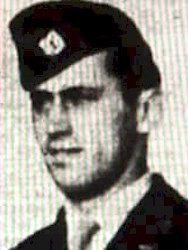
July 1, 1918
–
June 19, 2009
Born:
Neva
,
Wisconsin
Home:
Antigo
,
Wisconsin
Buried:
Arlington
,
Virginia
Cemetery:
Arlington National Cemetery
Awards Received
-

Distinguished Flying Cross
-

Distinguished Service Cross
-
Distinguished Flying Cross
Service:
United States Army Air ForcesRank:
First Lieutenant (Air Corps)Batallion:
76th Fighter SquadronRegiment:
23d Fighter GroupDivision:
14th Air ForceAction Date:
World War II
(Citation Needed) – SYNOPSIS: The President of the United States of America, authorized by Act of Congress, July 2, 1926, takes pleasure in presenting the Distinguished Flying Cross to First Lieutenant (Air Corps) Vernon J. Kramer (ASN: 0-661333), United States Army Air Forces, for extraordinary achievement while participating in aerial flight as Pilot of a P-40 Fighter Airplane in the 76th Fighter Squadron, 23d Fighter Group, FOURTEENTH Air Force, in aerial combat against enemy forces in the China-Burma-India Theater of Operations during World War II. His outstanding courage and dedication to duty were in keeping with the highest traditions of the military service and reflect great credit upon himself and the United States Army Air Forces.
-
Distinguished Service Cross
Service:
United States Army Air ForcesRank:
Captain (Air Corps), [then First Lieutenant]Batallion:
76th Fighter SquadronRegiment:
23d Fighter GroupDivision:
14th Air ForceAction Date:
July 30, 1943
Headquarters, U.S. Army Forces-China/Burma/India, General Orders No. 99 (August 17, 1944)The President of the United States of America, authorized by Act of Congress July 9, 1918, takes pleasure in presenting the Distinguished Service Cross to Captain (Air Corps), [then First Lieutenant] Vernon Jerome Kramer (ASN: 0-661333), United States Army Air Forces, for extraordinary heroism in connection with military operations against an armed enemy while serving as Pilot of a P-40 Fighter Airplane in the 76th Fighter Squadron, 23d Fighter Group, FOURTEENTH Air Force, in aerial combat against enemy forces on 30 July 1943, in the China-Burma-India Theater of Operations. Captain Kramer took off with a flight of six other fighters to intercept a formation of twenty-one Japanese bombers and eight escorting fighters. When the flight engaged the enemy, Captain Kramer’s aircraft was hit by enemy fire, destroying the hydraulic system and damaging control cables and radio. As a result, Captain Kramer became separated from his flight, but this did not deter his determination to continue the attack. Instead of returning to base with a badly crippled plane, he strove for altitude to make another attack, but was forced to dive away from enemy fighters above him. Never losing sight of the enemy formation, he followed it, finally achieving an altitude advantage when nearly 75 miles from the site of the original attack. Fully aware that he was alone against heavy odds, he dove his crippled plane out of the sun upon the huge hostile force. Then enemy fighters closed in on him from all sides and bombers directed their fire against him, but he pressed the attack. The first burst he fired hit one of the bombers, causing it to fall in flames. Turning, he made another attack and this time badly damaged another bomber. Completing his flight successfully, he returned to his base and landed safely. The heroism of Captain Kramer on this mission was so notable and involved a risk of life so extraordinary as to set him apart from his comrades and is consonant with the finest traditions of the American Military Service.