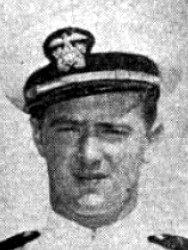
The President of the United States of America takes pleasure in presenting the Distinguished Flying Cross to Lieutenant Thomas Ewings Boyce (NSN: 0-121217), United States Naval Reserve, for heroism and extraordinary achievement while participating in aerial flight as a Pilot in Torpedo Squadron SEVEN (VT-7), embarked in U.S.S. HANCOCK (CV-19), in action against enemy forces on 13 October 1944. As pilot of a carrier-based torpedo plane making a glide bombing attack against harbor installations in the Formosa area, he scored a direct hit on important shipyard installations causing extensive destruction. This was accomplished in spite of adverse weather conditions which rendered accurate glide bombing extremely difficult and intense anti-aircraft fire which blanketed the target area. His skill and courage were at all times in keeping with the highest traditions of the United States Naval Service.

Sponsored by:

–
Awards Received
-
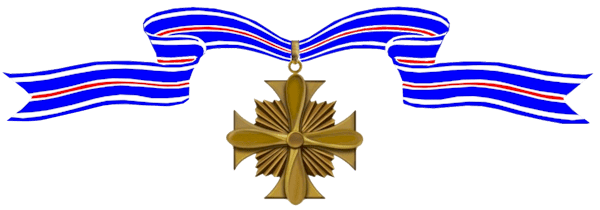
Distinguished Flying Cross
-
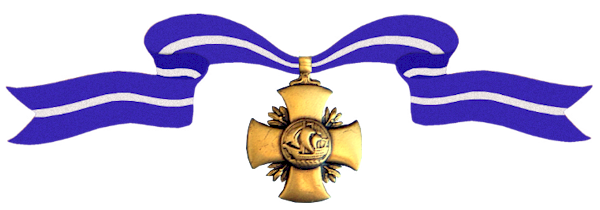
Navy Cross
-
Distinguished Flying Cross
Service:
United States NavyRank:
LieutenantBatallion:
Torpedo Squadron 7 (VT-7)Division:
U.S.S. Hancock (CV-19)Action Date:
October 13, 1944
-
Navy Cross
Service:
United States NavyRank:
LieutenantBatallion:
Torpedo Squadron 7 (VT-7)Division:
U.S.S. Hancock (CV-19)Action Date:
October 25, 1944
Commander 2d Carrier Task Force Pacific: Serial 01060 (January 22, 1945)The President of the United States of America takes pleasure in presenting the Navy Cross to Lieutenant Thomas Ewings Boyce (NSN: 0-121217), United States Naval Reserve, for extraordinary heroism in operations against the enemy while serving as Pilot of a carrier-based Navy Torpedo Plane in Torpedo Squadron SEVEN (VT-7), attached to the U.S.S. HANCOCK (CV-19), in action against enemy Japanese forces in Philippine waters during the Air Battle of Leyte Gulf on 25 October 1944. as Pilot of a carrier-based Navy Torpedo Plane in a torpedo attack, Lieutenant Boyce flew in a glide bombing attack on a strong formation of the Japanese Fleet in the vicinity of the Philippine Islands in the Second Battle of the Philippines. He scored two damaging hits on a battleship at the center of the fleet formation by the exercise of fearless and skillful airmanship, in spite of the withering concentration of anti-aircraft fire through which he had to attack, and the evasive maneuvering of the battleship. His display of dauntless offensive spirit and courage were in a large measure responsible for the success of the attacks and were at all times in keeping with the highest tradition of the United States Naval Service.