Cecil Harris became a World War II Navy QUADRUPLE ACE, credited with shooting down 23 enemy aircraft in aerial combat. He retired as a U.S. Navy Captain in 1967

Sponsored by:

Cecil
Elwood
Harris
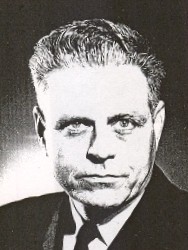
December 2, 1916
–
December 2, 1981
Cemetery:
Arlington National Cemetery
Awards Received
-
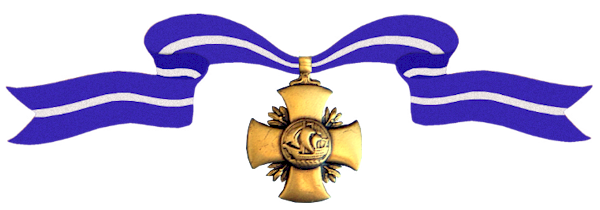
Navy Cross
-
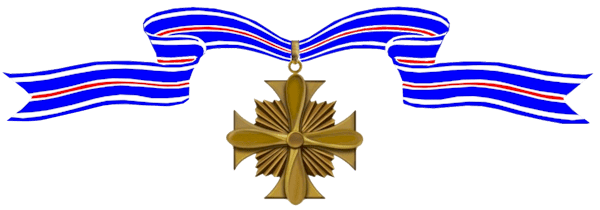
Distinguished Flying Cross
-
Distinguished Flying Cross
-
Distinguished Flying Cross
-
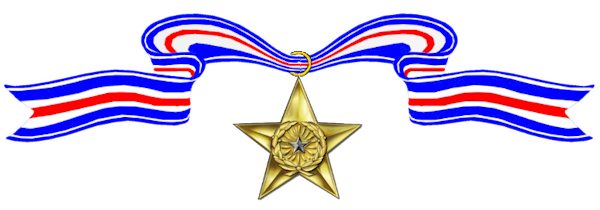
Silver Star
-
Silver Star
-
Navy Cross
Service:
United States NavyRank:
LieutenantBatallion:
Fighting Squadron 18 (VF-18)Division:
U.S.S. Intrepid (CV-11)Action Date:
October 29, 1944
Commander 2d Carrier Task Force, Serial 0396 (December 15, 1944)The President of the United States of America takes pleasure in presenting the Navy Cross to Lieutenant Cecil Elwood Harris (NSN: 0-114286), United States Naval Reserve, for extraordinary heroism in operations against the enemy while serving as Pilot of a carrier-based Navy Fighter Plane in Fighting Squadron EIGHTEEN (VF-18), attached to the U.S.S. INTREPID (CV-11), in action against enemy Japanese forces on Luzon, Philippine Islands, on 29 October 1944. Quick to intercept two successive flights of Japanese fighter planes preparing to attack our bomber and torpedo squadrons as they completed a strike on Clark Field, Lieutenant Harris boldly led his Division in a swift assault on the enemy planes. Skillfully and daringly maneuvering among the hostile formations, he shot down one enemy plane from each flight and put the others to rout. Quick to intercept a superior force of enemy fighters descending in waves in furious attempts to wipe out our fighter protection, he dauntlessly engaged in the fierce dog fight which ensued. Successively knocking down two enemy planes closing two of our Hellcats whose pilots were unaware of their imminent peril, he effectively averted the certain destruction of these friendly planes and assisted essentially in the utter defeat of the entire enemy formation without the loss of any of our planes from enemy action. By his courageous initiative, superb airmanship and fearless devotion to the fulfillment of a hazardous mission, Lieutenant Harris contributed materially to the success of our operations in this strategic area, and his personal valor in the face of grave peril upheld the highest traditions of the United States Naval Service.
-
Distinguished Flying Cross
Service:
United States NavyRank:
LieutenantBatallion:
Fighting Squadron 18 (VF-18)Division:
U.S.S. Intrepid (CV-11)Action Date:
October 24, 1944
Commander 2d Carrier Task Force: Serial 0396 (December 15, 1944)The President of the United States of America takes pleasure in presenting a Gold Star in lieu of a Second Award of the Distinguished Flying Cross to Lieutenant Cecil Elwood Harris (NSN: 0-114286), United States Naval Reserve, for heroism and extraordinary achievement while participating in aerial flight as a Fighter Pilot in Fighting Squadron EIGHTEEN (VF-18), attached to the U.S.S. INTREPID (CV-11), in action against enemy Japanese forces, during the Battle for Leyte Gulf, 24 October 1944. Leading his division on the return flight from a special search mission, Lieutenant Harris encountered two enemy planes in the waters between Palawan and Panay Island and, immediately giving battle, blasted the hostile craft out of the sky in a short and fierce attack. By his inspiring leadership, indomitable fighting spirit and unwavering devotion to duty, Lieutenant Harris contributed materially to the success of his division in the fulfillment of this important assignment and upheld the highest traditions of the United States Naval Service.
-
Distinguished Flying Cross
Service:
United States NavyRank:
LieutenantBatallion:
Fighting Squadron 18 (VF-18)Division:
U.S.S. Intrepid (CV-11)Action Date:
November 25, 1944
Commander 2d Carrier Task Force: Serial 0908 (January 13, 1945)The President of the United States of America takes pleasure in presenting a Second Gold Star in lieu of a Third Award of the Distinguished Flying Cross to Lieutenant Cecil Elwood Harris (NSN: 0-114286), United States Naval Reserve, for heroism and extraordinary achievement while participating in aerial flight as a Fighter Pilot in Fighting Squadron EIGHTEEN (VF-18), during action against enemy Japanese forces over Central Luzon, Philippine Islands on 25 November 1944. Courageously leading his flight against a numerically superior enemy closing our Task Force, Lieutenant Harris skillfully maneuvered for maximum striking power and, training his guns with deadly accuracy on his adversary, personally destroyed three of the eleven aircraft shot down by his group and contributed to the probable destruction of another. By his superb airmanship and indomitable fighting spirit, Lieutenant Harris contributed essentially to the success of his squadron, and his valiant devotion to duty upheld the highest traditions of the United States Naval Service.
-
Distinguished Flying Cross
Service:
United States NavyRank:
LieutenantBatallion:
Fighting Squadron 18 (VF-18)Division:
U.S.S. Intrepid (CV-11)Action Date:
October 14, 1944
Commander 2d Carrier Task Force: Serial 0396 (December 15, 1944)The President of the United States of America takes pleasure in presenting the Distinguished Flying Cross to Lieutenant Cecil Elwood Harris (NSN: 0-114286), United States Naval Reserve, for heroism and extraordinary achievement while participating in aerial flight as a Fighter Pilot in Fighting Squadron EIGHTEEN (VF-18), in action against enemy Japanese forces off Formosa, 14 October 1944. Launched on an anti-snooper patrol mission, Lieutenant Harris sighted an enemy aircraft while still within range of gunfire from his own formation about to open fire on enemy aircraft and, despite great hazards, engaged the hostile aircraft and shot it down in flames. Encountering a second Japanese plane as he pulled away from this action, he shot it down well inside the Fleet formation in the face of heavy anti-aircraft fire from our own surface forces and, continuing his flight, shot down still a third plane an hour later. His skilled airmanship, indomitable fighting spirit and resolute determination reflect the highest credit upon Lieutenant Harris and upon the United States Naval Service.
-
Silver Star
Service:
United States NavyRank:
LieutenantBatallion:
Fighting Squadron 18 (VF-18)Division:
U.S.S. Intrepid (CV-11)Action Date:
October 12, 1944
Commander 2d Carrier Task Force, Serial 0396 (December 15, 1944)The President of the United States of America takes pleasure in presenting the Silver Star to Lieutenant Cecil Elwood Harris (NSN: 0-114286), United States Naval Reserve, for conspicuous gallantry and intrepidity as a Fighter Pilot in Fighting Squadron EIGHTEEN (VF-18), attached to the U.S.S. INTREPID (CV-11), in action against enemy Japanese positions on Northern Formosa, 12 October 1944. A skilled and daring airman, Lieutenant Harris braved intense anti-aircraft fire while leading his Division in the first fighter-bomber sweep over this island in Japanese home waters to execute an effective dive-bombing attack upon an important airfield installation and, during the same flight, valiantly engaged in a terrific aerial dog-fight with numerically superior aircraft. Fighting fiercely against great odds, he succeeded in shooting down four of the hostile aircraft and, by his cool courage and unwavering determination, not only contributed materially to the complete rout of the enemy formation but, in two instances saved two of his team-mates during the action. His superb combat tactics, fortitude and unwavering devotion to duty were in keeping with the highest traditions of the United States Naval Service.
-
Silver Star
Service:
United States NavyRank:
LieutenantBatallion:
Fighting Squadron 18 (VF-18)Division:
U.S.S. Intrepid (CV-11)Action Date:
September 13, 1944
Commander 1st Carrier Task Force Pacific: Serial 036 (January 20, 1945)The President of the United States of America takes pleasure in presenting a Gold Star in lieu of a Second Award of the Silver Star to Lieutenant Cecil Elwood Harris (NSN: 0-114286), United States Naval Reserve, for conspicuous gallantry and intrepidity as a Fighter Pilot in Fighting Squadron EIGHTEEN (VF-18), attached to the U.S.S. INTREPID (CV-11), in action against enemy Japanese forces in the Pacific War Area, on 13 September 1944. Intercepting an outnumbering force of enemy aircraft while leading his escort division in a powerful strike against Japanese forces, Lieutenant Harris fought off the oncoming planes with determined aggressiveness and, pressing home his fierce attacks, personally blasted four of the hostile planes from the sky, thereby disrupting the intercepting enemy formations in at least two instances, and permitting his bomber and torpedo group to continue its mission. By his dauntless courage, forceful leadership and gallant fighting spirit, Lieutenant Harris contributed materially to the breaking up of a concentrated enemy attack and upheld the highest traditions of the United States Naval Service.