Terry Boyer was interned as a Prisoner of War in North Vietnam after he was shot down on December 17, 1967, and was held until his release on March 14, 1973. He retired in 1984 as a U.S. Air Force Lieutenant Colonel.

Sponsored by:

Terry
Lee
Boyer
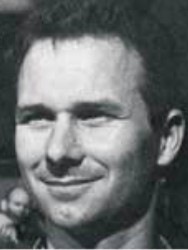
POW (RVN)
September 22, 1938
–
Born:
Los Angeles
,
California
Home:
Visalia
,
California
Awards Received
-
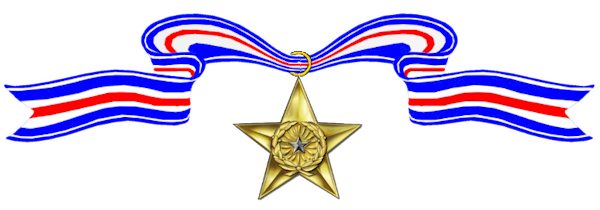
Silver Star
-
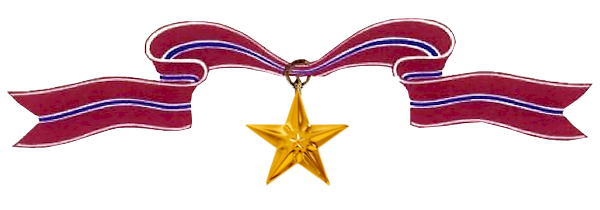
Bronze Star Medal
-
Bronze Star Medal
-

Prisoner of War Medal
-
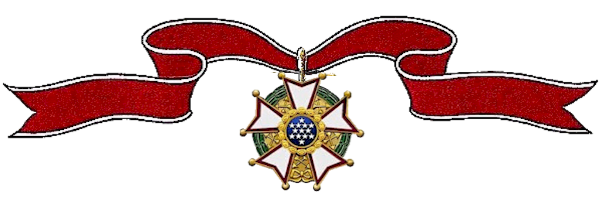
Legion of Merit
-
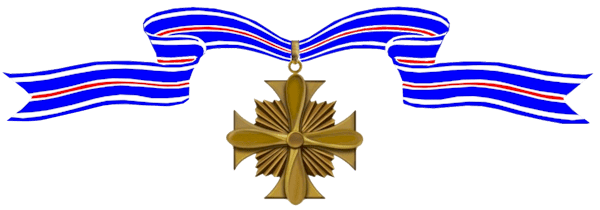
Distinguished Flying Cross
-
Silver Star
Service:
United States Air ForceRank:
CaptainDivision:
Prisoner of War (North Vietnam)Action Date:
December 17 – 25, 1967
The President of the United States of America, authorized by Act of Congress July 9, 1918 (amended by an act of July 25, 1963), takes pleasure in presenting the Silver Star to Captain Terry Lee Boyer, United States Air Force, for gallantry in action during the period 17 December 1967 to 25 December 1967. Captain Boyer distinguished himself by gallantry and intrepidity in action in connection with military operations against an opposing armed force during the above period while a Prisoner of War in North Vietnam. Ignoring international agreements on treatment of prisoners of war, the enemy resorted to mental and physical cruelties to obtain information, confessions, and propaganda materials. This individual resisted their demands by calling upon his deepest inner strengths in a manner which reflected his devotion to duty and great credit upon himself and the United States Air Force.
-
Bronze Star Medal
Service:
United States Air ForceRank:
CaptainDivision:
Prisoner of War (North Vietnam)Action Date:
April 26, 1968 – July 5, 1969
The President of the United States of America, authorized by Executive Order 11046, 24 August 1962, takes pleasure in presenting the Bronze Star Medal with Combat “V” to Captain Terry Lee Boyer, United States Air Force, for heroic actions against an enemy armed force while serving as a Prisoner of War in North Vietnam from 26 April 1968 to 5 July 1969. The North Vietnamese and interrogators and guards kept constant pressure on this officer through harassment, intimidation, and cruelties from which they hoped to gain information and cooperative participation in their propaganda exercises. This individual heroically resisted their treatment in a manner which served as an inspiration to others in the camp and reflected great credit upon himself and the United States Air Force.
-
Bronze Star Medal
Service:
United States Air ForceRank:
CaptainDivision:
Prisoner of War (North Vietnam)Action Date:
July 30, 1969 – October 31, 1971
The President of the United States of America, authorized by Executive Order 11046, 24 August 1962, takes pleasure in presenting a Bronze Oak Leaf Cluster in lieu of a Second Award of the Bronze Star Medal with Combat “V” to Captain Terry Lee Boyer, United States Air Force, for heroic achievement as a Prisoner of War while engaged in operations against an opposing armed force in North Vietnam during the period 30 July 1969 to 31 October 1971. In an atmosphere of enemy harassment and brutal treatment, he continued to establish and maintain communications through unusual and ingenious methods, which resulted in American and Allied prisoners presenting a posture of increased resistance to the enemy’s wishes, and, at the same time, improving prisoner morale. By his heroic endeavors and devotion to duty under adverse conditions of his environment, he reflected great credit upon himself and upheld the highest traditions of the United States Air Force.
-
Prisoner of War Medal
Service:
United States Air ForceRank:
CaptainDivision:
Prisoner of War (North Vietnam)Action Date:
December 17, 1967 – March 14, 1973
Captain Terry Lee Boyer, United States Air Force, was held as a Prisoner of War in North Vietnam from December 17, 1967 until his release on March 14, 1973.
-
Legion of Merit
Service:
United States Air ForceRank:
CaptainDivision:
Prisoner of War (North Vietnam)Action Date:
December 1967 – January 1973
The President of the United States of America, authorized by Act of Congress, 20 July 1942, takes pleasure in presenting the Legion of Merit to Captain Terry Lee Boyer, United States Air Force, for exceptionally meritorious conduct in the performance of outstanding services to the Government of the United States as a Prisoner of War in North Vietnam from December 1967 to January 1973. His ceaseless efforts, by a continuous showing of resistance to an enemy who ignored all international agreements on treatment of Prisoners of War, in the extremely adverse conditions of the communist prisons of North Vietnam, demonstrated his professional competence, unwavering devotion, and loyalty to his country. Despite the harsh treatment through his long years of incarceration, he continued to perform his duties in a clearly exceptional manner which reflected great credit upon himself and the United States Air Force.
-
Distinguished Flying Cross
Service:
United States Air ForceRank:
First LieutenantBatallion:
497th Tactical Fighter SquadronDivision:
Ubon Royal Thai Air Force Base, ThailandAction Date:
October 27, 1967
The President of the United States of America, authorized by Act of Congress, July 2, 1926, takes pleasure in presenting the Distinguished Flying Cross to First Lieutenant Terry Lee Boyer, United States Air Force, for extraordinary achievement while participating in aerial flight while serving as a F-4C Pilot with the 497th Tactical Fighter Squadron, Ubon Royal Thai Air Force Base, Thailand, in action against the enemy over North Vietnam on 27 October 1967. On that date, Lieutenant Boyer was diverted from a planned armed reconnaissance mission to interdict a column transporting supplies for the opposing forces. Proceeding directly to the new target area, he immediately stopped the lead truck and thus stopped the entire convoy. During repeated passes he successfully inflicted heavy damage on the supply column, thereby severely hampering the supply efforts of the opposing forces. The professional competence, aerial skill and devotion to duty displayed by Lieutenant Boyer reflect great credit upon himself and upheld the highest traditions of the United States Air Force.