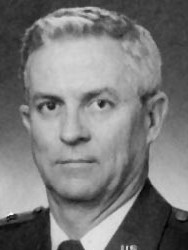
Harry Henry was commissioned through the Reserve Officer Training Corps program in 1964 upon graduation from the University of Kentucky. He retired in 1994 as a U.S. Air Force Major General.

Sponsored by:

Larry
Lee
Henry
1941
–
Born:
Mount Sterling
,
Kentucky
Home:
Lexington
,
Kentucky
Awards Received
-
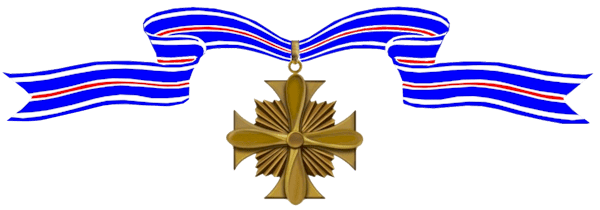
Distinguished Flying Cross
-
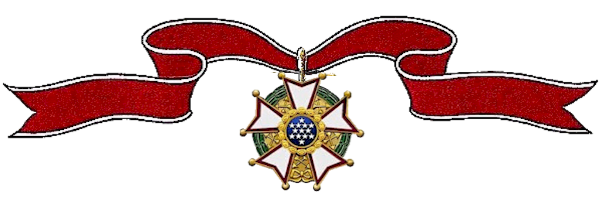
Legion of Merit
-
Legion of Merit
-
Distinguished Flying Cross
-
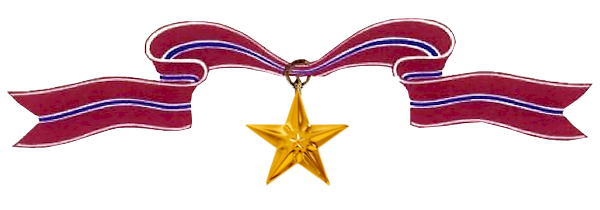
Bronze Star Medal
-
Distinguished Flying Cross
-
Distinguished Flying Cross
-

Air Force Distinguished Service Medal
-
Air Force Distinguished Service Medal
-
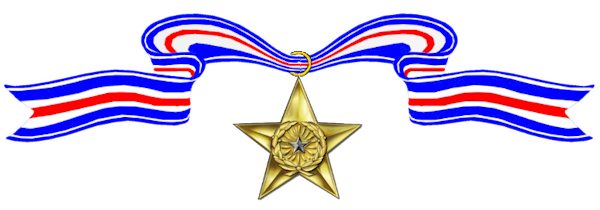
Silver Star
-
Distinguished Flying Cross
Headquarters, 7th Air Force, Special Order G-1701 (April 8, 1970)The President of the United States of America, authorized by Act of Congress, July 2, 1926, takes pleasure in presenting the Distinguished Flying Cross to Captain Larry Lee Henry, United States Air Force, for extraordinary achievement while participating in aerial flight as an F-4D Weapons Systems Operator over hostile territory on 19 February 1970. On that date, Captain Henry participated in a flight of four F-4D fighter-bombers against a highly defended supply and storage area in Southeast Asia. Despite poor visibility and heavy anti-aircraft artillery fire, Captain Henry destroyed the supply area thereby deterring hostile efforts in the area. The professional competence, aerial skill and devotion to duty displayed by Captain Henry reflect great credit upon himself and the United States Air Force.
-
Legion of Merit
(Citation Needed) – SYNOPSIS: Major General Larry Lee Henry, United States Air Force, was awarded a Second Bronze Oak Leaf Cluster in lieu of a Third Award of the Legion of Merit for exceptionally meritorious conduct in the performance of outstanding services to the Government of the United States. The singularly distinctive accomplishments of General Henry and his dedicated contributions in the service of his country reflect the highest credit upon himself and the United States Air Force.
-
Legion of Merit
Service:
United States Air ForceRank:
Brigadier GeneralAction Date:
June 19, 1985 – January 11, 1990
The President of the United States of America, authorized by Act of Congress, 20 July 1942, takes pleasure in presenting a Bronze Oak Leaf Cluster in lieu of a Second Award of the Legion of Merit to Brigadier General Larry Lee Henry, United States Air Force, for exceptionally meritorious conduct in the performance of outstanding services to the Government of the United States as Vice Commander and Commander of the 37th Tactical Fighter Wing and as Commander, 831st Air Division, George Air Force Base, California, from 19 June 1985 to 11 January 1990. During this period, General Henry’s leadership, dedication to duty and sheer tenacity were instrumental in assuring the 37th Tactical Fighter Wing Wild Weasels maintained the highest standards of readiness. This was verified by superb ratings received during several higher headquarters inspections. General Henry’s leadership also assured the 35th Tactical Fighter Wing training functions met the highest possible standards as evidenced by numerous awards for excellence. General Henry’s concern for people initiated dramatic improvements in quality of life issues resulting in higher productivity levels. The superior initiative, outstanding leadership, and personal endeavor displayed by General Henry reflect great credit upon himself and the United States Air Force.
-
Distinguished Flying Cross
The President of the United States of America, authorized by Act of Congress, July 2, 1926, takes pleasure in presenting a Bronze Oak Leaf Cluster in addition to a previously awarded Silver Oak Leaf Cluster in lieu of a Seventh Award of the Distinguished Flying Cross to Captain Larry Lee Henry, United States Air Force, for extraordinary achievement while participating in aerial flight as an F-4 Weapon Systems Officer in Southeast Asia on 21 June 1972. On that date, Captain Henry led two flights of F-4s on an extremely important and vital mission in support of a strike force attacking high priority targets deep in the heart of North Vietnam. Despite the hazards of surface-to-air missiles, anti-aircraft artillery fire and hostile aircraft, Captain Henry accomplished his assigned mission of negating hostile defenses for the strike force. This allowed the strike force to destroy their assigned targets and return safely. The professional competence, aerial skill and devotion to duty displayed by Captain Henry reflect great credit upon himself and the United States Air Force.
-
Bronze Star Medal
The President of the United States of America takes pleasure in presenting the Bronze Star Medal with Combat “V” to First Lieutenant Larry Lee Henry, United States Air Force, for heroism while engaged in ground operations against an opposing armed force at Bien Hoa Air Base, Republic of Vietnam on 31 January 1968. On that date, hostile forces launched a vicious rocket and ground attack, with the brunt of their penetration concentrated at a bunker on the east end of the base. Although the men in an around the bunker succeeded in pinning down the mail bulk of the hostile force, many of the infiltrators did manage to work their way round it, entrench themselves in holes, culverts, and ditches pock-marking the east end of the base, and subsequently direct heavy sniper fire at the friendly forces in the vicinity. Leading a section of ten personnel on a sweep to clear the east end of the base, Lieutenant Henry pushed on over terrain that provided excellent cover for the hostile forces. Pinned down at times by nests of snipers, he led his men in charging, and subsequently silencing, these pockets of resistance. By providing the leadership and courage so essential to guaranteeing the success of the sweep, Lieutenant Henry contributed the guidance and inspiration necessary to secure the base against any continued assaults from the hostile forces. By his heroic actions and unselfish dedication to duty, Lieutenant Henry has reflected great credit upon himself and the United States Air Force.
-
Distinguished Flying Cross
The President of the United States of America, authorized by Act of Congress, July 2, 1926, takes pleasure in presenting a Silver Oak Leaf Cluster in lieu of a Sixth Award of the Distinguished Flying Cross to Captain Larry Lee Henry, United States Air Force, for extraordinary achievement while participating in aerial flight as an F-4E Weapon Systems Officer in Southeast Asia on 19 December 1972. On that date, Captain Henry participated in an eight ship chaff force tasked to lay a protective corridor for ensuing strike forces bombing deep in the heart of North Vietnam. Despite the heavy air defense reaction, Captain Henry succeeded in accomplishing the assigned mission. The professional competence, aerial skill and devotion to duty displayed by Captain Henry reflect great credit upon himself and the United States Air Force.
-
Distinguished Flying Cross
The President of the United States of America, authorized by Act of Congress, July 2, 1926, takes pleasure in presenting a Fourth Bronze Oak Leaf Cluster in lieu of a Fifth Award of the Distinguished Flying Cross to Captain Larry Lee Henry, United States Air Force, for extraordinary achievement while participating in aerial flight as an F-4E Weapons Systems Officer in Southeast Asia on 26 May 1972. On that date, Captain Henry flew a chaff dispensing mission against a critical target deep within hostile territory. Despite intense and closely tracking anti-aircraft artillery of all calibers, several surface-to-air missiles, and a threat posed by a number of hostile aircraft, Captain Henry, through outstanding airmanship was able to maneuver his aircraft to negate the attacks and maintain position in order to effectively dispense his ordnance. The following flights were able to ingress the target with little or no resistance from radar controlled threats as a result of the aeronautical skill of Captain Henry. The professional competence, aerial skill and devotion to duty displayed by Captain Henry reflect great credit upon himself and the United States Air Force.
-
Air Force Distinguished Service Medal
Service:
United States Air ForceRank:
Major GeneralAction Date:
January 15, 1990 – April 15, 1992
The President of the United States of America, authorized by Act of Congress July 9, 1918, takes pleasure in presenting the Air Force Distinguished Service Medal to Major General Larry Lee Henry, United States Air Force, for exceptionally meritorious and distinguished service in a position of great responsibility to the Government of the United States. General Henry distinguished himself as Deputy Chief of Staff, Plans and Requirements, Headquarters Air Training Command, Randolph Air Force Base, Texas, from 15 January 1990 to 15 April 1992. In these important assignments, General Henry’s outstanding achievements and dynamic leadership resulted in the significantly increased combat capability of our tactical air forces, the smooth transition to a downsizing Department of Defense, and comprehensive plans for the future of Air Training Command in a streamlined Air Force. The singularly distinctive accomplishments of General Henry and his dedicated contributions in the service of his country reflect the highest credit upon himself and the United States Air Force.
-
Air Force Distinguished Service Medal
Service:
United States Air ForceRank:
Major GeneralAction Date:
May 12, 1992 – June 30, 1994
Department of the Air Force, Special Order GB-263 (July 15, 1994)The President of the United States of America, authorized by Act of Congress July 9, 1918, takes pleasure in presenting a Bronze Oak Leaf Cluster in lieu of a Second Award of the Air Force Distinguished Service Medal to Major General Larry Lee Henry, United States Air Force, for exceptionally meritorious and distinguished service in a position of great responsibility to the Government of the United States. General Henry distinguished himself as Director of Operational Requirements, Deputy Chief of Staff Plans and Operations and Acting Deputy Chief of Staff Plans and Operations, Headquarters United States Air Force, the Pentagon, Washington, District of Columbia, from 12 May 1992 to 30 June 1994. During this period, General Henry’s devotion to duty, commitment to excellence, keen warrior instinct, and exceptional foresight served as the driving force behind many of the accomplishments the United States Air Force achieved during this period. During the most extensive post-war downsizing of the military, General Henry endeavored to preserve a core force structure that could continue to be a credible instrument of national policy. As the Air Staff focal point for the Joint Requirements Oversight Council, his insights were critical in ensuring the viability of future force structure. Capitalizing on his reputation as the architect of the electronic warfare plan for Operation DESERT STORM, General Henry’s testimony to the House Armed Services Committee on B-1 and F-22 issues ensured United States military forces would have the lethal strike and air superiority assets necessary to ensure total victory in any future conflict. The singularly distinctive accomplishments of Henry culminate a long and distinguished career in the service of his country and his dedicated contributions reflect the highest credit upon himself and the United States Air Force.
-
Silver Star
Service:
United States Air ForceRank:
CaptainRegiment:
8th Tactical Fighter WingDivision:
Ubon Royal Thai Air Force Base, ThailandAction Date:
April 20, 1972
Headquarters, Pacific Air Forces, Special Order GB-0029 (October 6, 1972)The President of the United States of America, authorized by Act of Congress July 9, 1918 (amended by an act of July 25, 1963), takes pleasure in presenting the Silver Star to Captain Larry Lee Henry, United States Air Force, for gallantry in action in connection with military operations involving conflict with an armed hostile force while serving as an F-4 Aircraft Commander with the 8th Tactical Fighter Wing, Ubon Royal Thai Air Force Base, Thailand, in action in Southeast Asia on 20 April 1972. On that date, Captain Henry led a four ship flight in a seven flight strike force against a high priority target in North Vietnam. Despite adverse weather conditions and intensive anti-aircraft and surface-to-air missile reactions, he led his flight over the target area to determine its suitability for striking by succeeding flights. Determining that the target was un-markable the succeeding flights were diverted and while exiting the area his wingman’s aircraft was downed by a surface-to-air missile. Disregarding his own personal safety, he remained over the downed crewmen’s location, called in search and rescue forces and continued to direct those forces to their location despite the continual harassment of surface-to-air missiles and hostile fighters. His continual updating of the survivors’ location made a major contribution to the rapid and successful recovery of the crewmembers in hostile territory. By his gallantry and devotion to duty, Captain Henry has reflected great credit upon himself and the United States Air Force.