John Rhodes graduated from San Jose State University in 1966, and was commissioned in the Marine Corps the following year after completing Officer Candidate School. He retired as a United States Marine Corps Lieutenant General.

Sponsored by:

John
E.
Rhodes

Home:
Glendora
,
California
Awards Received
-

Distinguished Flying Cross
-
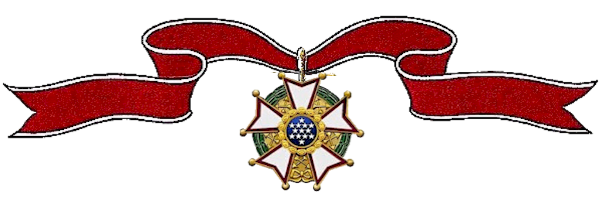
Legion of Merit
-
Distinguished Flying Cross
-
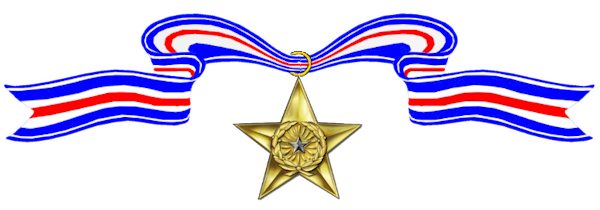
Silver Star
-
Distinguished Flying Cross
-
Distinguished Flying Cross
-
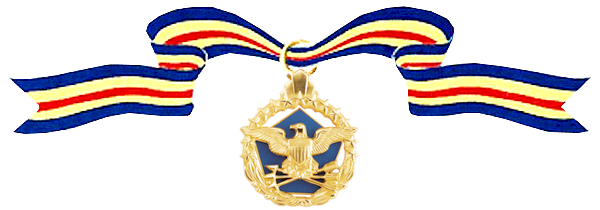
Defense Distinguished Service Medal
-
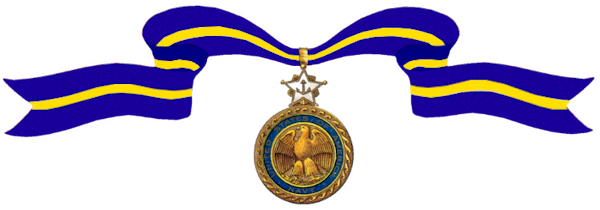
Navy Distinguished Service Medal
-
Silver Star
-
Distinguished Flying Cross
Service:
United States Marine CorpsRank:
First LieutenantBatallion:
Marine Medium Helicopter Squadron 367 (HMM-367)Division:
1st Marine Aircraft WingAction Date:
October 17, 1969
The President of the United States of America takes pleasure in presenting a Second Gold Star in lieu of a Third Award of the Distinguished Flying Cross to First Lieutenant John E. Rhodes (MCSN: 0-103759), United States Marine Corps, for heroism and extraordinary achievement while participating in aerial flight as a Pilot with Marine Light Helicopter Squadron THREE HUNDRED SIXTY-SEVEN (HML-367), Marine Aircraft Group Sixteen, FIRST Marine Aircraft Wing, in connection with military operations against the enemy in the Republic of Vietnam. On the night of 17 October 1969, First Lieutenant Rhodes launched from the Quang Tri Air Base as Wingman in a section of two armed UH-1E Helicopters escorting seven other aircraft which had been assigned the emergency mission of extracting a United States Army Special Forces reconnaissance team which was heavily engaged in combat with a hostile force deep in enemy-controlled territory. Despite extremely adverse weather conditions which forced the flight pattern to be readjusted, he ably assisted the section leader in guiding the flight around lowering clouds and in maintaining flight integrity until the flight arrived over the designated area. Undaunted by the intensity of the hostile fire directed at his aircraft and the hazards encountered in maneuvering his gunship in the darkness over the rugged terrain, First Lieutenant Rhodes fearlessly maneuvered his helicopter on repeated rocket and strafing runs and delivered his ordnance with such precision that the enemy fire was suppressed sufficiently to allow his flight leader to execute low-altitude passes to pinpoint he beleaguered patrol’s position in a densely jungled area surrounded by high ridges. Continuing to brave the hostile fire, he provided accurate and highly effective suppressive fire which enabled two of the extraction aircraft to establish a hover above the pick-up site, hoist the embattled reconnaissance team aboard, and depart the precarious area without sustaining battle damage. En route to Quang Tri, he again aided the section leader in maintaining flight integrity in the adverse weather until the flight’s arrival at the air base. First Lieutenant Rhodes’ courage, superior airmanship, and unwavering devotion to duty in the face of great personal danger were in keeping with the highest traditions of the Marine Corps and of the United States Naval Service.
-
Legion of Merit
The President of the United States of America takes pleasure in presenting the Legion of Merit with Combat “V” to Colonel John E. Rhodes (MCSN: 0-103759), United States Marine Corps, for exceptionally meritorious conduct in the performance of outstanding services to the Government of the United States while serving as the Commanding Officer, 13th Marine Expeditionary Unit (Special Operations Capable), Fleet Marine Force from July 1989 to June 1991. Colonel Rhodes distinguished himself by his outstanding performance during major combined amphibious exercises and combat operations against opposing Iraqi forces during an extended deployment to the Western Pacific and Southwest Asia. Demonstrating untiring drive, tactical expertise, and superior understanding of amphibious operations, he molded together a highly responsive Marine Air Ground Task Force that conducted six successful combat operations against Iraqi forces during Operations DESERT SHIELD and DESERT STORM. The presence of his 2,300 Marine and Sailor unit also was directly responsible for tying down numerous Iraqi divisions greatly complicating Iraq’s military options. Colonel Rhodes’ dynamic leadership, wise judgment, and courageous devotion to duty reflected great credit upon himself and were in keeping with the highest traditions of the Marine Corps and the United States Naval Service. [Colonel Rhodes is authorized to wear the Combat “V”.]
-
Distinguished Flying Cross
Service:
United States Marine CorpsRank:
First LieutenantBatallion:
Marine Light Helicopter Squadron 367 (HML-367)Division:
1st Marine Aircraft WingAction Date:
August 22, 1969
The President of the United States of America takes pleasure in presenting the Distinguished Flying Cross to First Lieutenant John E. Rhodes (MCSN: 0-103759), United States Marine Corps, for heroism and extraordinary achievement while participating in aerial flight while serving as a Pilot with Marine Light Helicopter Squadron THREE HUNDRED SIXTY-SEVEN (HML-367), Marine Aircraft Group THIRTY-SIX, FIRST Marine Aircraft Wing in connection with combat operations against the enemy in the Republic of Vietnam. Late on the afternoon of 22 August 1969, First Lieutenant Rhodes launched as Section Leader of a flight of two armed UH-1E helicopters assigned the mission of supporting the emergency extraction of a nine-man reconnaissance patrol which was heavily engaged in combat with a North Vietnamese Army force deep in enemy-controlled territory. Arriving over the designated area, he established an orbit until fixed-wing air strikes were completed and then boldly executed repeated rocket and strafing runs against enemy automatic weapons emplacements along a wooded ridgeline. When one of the transport helicopters attempting to extract the team sustained severe damage and was forced to land 1,000 meters from the patrol, First Lieutenant Rhodes expertly delivered covering fire which enabled the downed crew to be extracted. Then, after refueling and re-arming his gunship, First Lieutenant Rhodes, undeterred by the darkness which crated additional hazards, resolutely returned to the beleaguered patrol and provided such effective suppressive fire that the first transport helicopter was able to establish a hover, let four team members attach themselves to its eighty-foot extraction ropes, and lift them out of the area. Realizing that the second transport aircraft would have difficulty in extracting the five remaining patrol members, he jettisoned his rocket pods to lighten his gunship, attempted to extract one of the Marines, but was forced to abort his efforts when the high altitude of the zone and the weight of his aircraft made the task impossible. Undaunted by the constant threat of hostile fire, he marked the pickup site with his spotlights, provided cover until the five remaining patrol members were attacked to the second aircraft’s five extraction ropes, and then escorted the flight out of the precarious zone. While en route to Vandegerift Combat Base, the five men were imperiled when their ropes became entangled. First Lieutenant Rhodes slowed the entire flight, played his spotlights on the men to continually check their condition, and directed crash vehicles to shine their lights on the runway at the combat base. As a result, all the reconnaissance team members landed safely. First Lieutenant Rhodes’ great courage, superior airmanship, and unwavering devotion to duty in the face of great personal danger were in keeping with the highest traditions of the Marine Corps and the United States Naval Service.
-
Silver Star
Service:
United States Marine CorpsRank:
First LieutenantBatallion:
Marine Light Helicopter Squadron 367 (HML-367)Division:
1st Marine Aircraft WingAction Date:
November 14, 1969
The President of the United States of America takes pleasure in presenting a Gold Star in lieu of a Second Award of the Silver Star to First Lieutenant John E. Rhodes (MCSN: 0-103759), United States Marine Corps, for conspicuous gallantry and intrepidity in action as a Pilot with Marine Light Helicopter Squadron THREE HUNDRED SIXTY-SEVEN (HML-367), Marine Aircraft Group Sixteen, FIRST Marine Aircraft Wing, in connection with military operations against the enemy in the Republic of Vietnam. On 21 September 1969, First Lieutenant Rhodes launched as section leader of a flight of two armed helicopters assigned the mission of extracting two Marines whose aircraft had crash-landed deep in enemy-controlled territory. Arriving over the designated location, he saw two parachutes on the ground and made several low passes over the area to pinpoint the positions of the downed men. Observing that the Marines were lying on opposite sides of a canyon and appeared to be seriously injured, First Lieutenant Rhodes brought his aircraft to a hover in a space so confined that his rotor blades brushed the surrounding trees, and maintained a stable hover as his co-pilot and crew chief exited the helicopter to assist the casualties. He then maneuvered his helicopter through the dense vegetation, allowing his rotor blades to slash the surrounding trees and cut a path to the side of one of the survivors. As the Marine crawled painfully to the aircraft, First Lieutenant Rhodes maintained his helicopter in a steady hover with one hand, using his other hand to assist the severely injured Marine into the cabin. While he maneuvered his aircraft out of the hazardous area, the surrounding hills erupted with enemy fire. After delivering his patient to the nearest medical facility and learning that the second casualty was being evacuated by another aircraft, he returned to the same dangerous location and was again subjected to intense hostile fire as he effected the extraction of his co-pilot and crew chief. By his courage, superior aeronautical ability, and unfaltering devotion to duty in the face of grave personal danger, First Lieutenant Rhodes upheld the highest traditions of the Marine Corps and of the United States Naval Service.
-
Distinguished Flying Cross
Service:
United States Marine CorpsRank:
First LieutenantBatallion:
Marine Medium Helicopter Squadron 367 (HMM-367)Division:
1st Marine Aircraft WingAction Date:
September 13, 1969
The President of the United States of America takes pleasure in presenting a Third Gold Star in lieu of a Fourth Award of the Distinguished Flying Cross to First Lieutenant John E. Rhodes (MCSN: 0-103759), United States Marine Corps, for heroism and extraordinary achievement while participating in aerial flight as a Pilot with Marine Light Helicopter Squadron THREE HUNDRED SIXTY-SEVEN (HML-367), Marine Aircraft Group Sixteen, FIRST Marine Aircraft Wing, in connection with military operations against the enemy in the Republic of Vietnam. On 13 September 1969, First Lieutenant Rhodes launched from the Quang Tri Combat Base as Section Leader of a flight of two UH-1E Huey helicopters assigned the mission of supporting the re-supply of a Marine reconnaissance team operating deep in enemy-controlled territory and the medical evacuation of the team’s casualties. Despite adverse weather conditions, he proceeded to the designated area and, establishing radio contact with the patrol, was informed that the Marines had broken contact with a hostile force. After maneuvering his aircraft on a low-altitude flight in order to draw the fire of the enemy in the area and disclose the hostile firing positions, First Lieutenant Rhodes, when no fire was encountered, directed the lead transport helicopter to commence its approach to the landing zone while he provided cover. When his flight came under an extremely heavy volume of enemy automatic weapons fire, several rounds of which struck his aircraft, he completely disregarded his own safety as he resolutely maneuvered his aircraft on repeated rocket and strafing runs and boldly delivered his ordnance with such devastating effectiveness that the hostile fire was suppressed sufficiently to allow the transport to enter the hazardous area, discharge its load of supplies, embark the casualties, and safely depart the dangerous zone. First Lieutenant Rhodes’ courage, superior airmanship, and unwavering devotion to duty in the face of great personal danger were instrumental in accomplishing the hazardous mission and were in keeping with the highest traditions of the Marine Corps and the United States Naval Service.
-
Distinguished Flying Cross
Service:
United States Marine CorpsRank:
First LieutenantBatallion:
Marine Light Helicopter Squadron 367 (HML-367)Division:
1st Marine Aircraft WingAction Date:
August 31, 1969
The President of the United States of America takes pleasure in presenting a Gold Star in lieu of a Second Award of the Distinguished Flying Cross to First Lieutenant John E. Rhodes (MCSN: 0-103759), United States Marine Corps, for heroism and extraordinary achievement while participating in aerial flight as a Pilot with Marine Light Helicopter Squadron THREE HUNDRED SIXTY-SEVEN (HML-367), Marine Aircraft Group Sixteen, FIRST Marine Aircraft Wing, in connection with military operations against the enemy in the Republic of Vietnam on 31 August 1969. First Lieutenant Rhodes launched as Section leader of a flight of helicopters assigned the mission of supporting the emergency extraction of a United States Army Special Forces reconnaissance team which was heavily engaged in combat with a large North Vietnamese Army force in a mountainous area deep in enemy-controlled territory. Arriving over the designated area, he found that the friendly patrol was located in tall elephant grass on the side of a steep ridge and was receiving intense hostile fire from three sides. Realizing the urgency of extracting the beleaguered team when fire in the dry grass caused by gunship attacks on the enemy positions further endangered the reconnaissance patrol, First Lieutenant Rhodes, undaunted by the heavy volume of hostile fire directed at his aircraft, directed the incoming helicopters into the hazardous area and then maneuvered his gunship in delivering daring and repeated rocket and strafing runs and delivered all of his ordnance on the enemy position with pinpoint accuracy. As a result of his flight’s determined attacks the hostile fire was suppressed sufficiently to allow the transport aircraft to enter the precarious area and safely extract the reconnaissance team. First Lieutenant Rhodes’ courage, superior airmanship and devotion to duty in the face of great personal danger were instrumental to accomplishing the hazardous mission and were in keeping with the highest traditions of the Marine Corps and of the United States Naval Service.
-
Defense Distinguished Service Medal
Under the provisions of Executive Order 11545, July 9, 1970, the Secretary of Defense of the United States of America take pleasure in awarding the Defense Distinguished Service Medal to Lieutenant General John E. Rhodes (MCSN: 0-103759), United States Marine Corps, was awarded the Defense Distinguished Service Medal for exceptionally meritorious and distinguished service contributing to national security and defense, in a position of great responsibility to the Government of the United States. The distinctive accomplishments of General Rhodes reflect great credit upon himself, the United States Marine Corps, and the Department of Defense.
-
Navy Distinguished Service Medal
Service:
United States Marine CorpsRank:
Lieutenant GeneralAction Date:
August 1997 – August 2000
The President of the United States of America takes pleasure in presenting the Navy Distinguished Service Medal to Lieutenant General John E. Rhodes (MCSN: 0-103759), United States Marine Corps, for exceptionally meritorious and distinguished service in a position of great responsibility to the Government of the United States while serving as Commanding General, Marine Corps Combat Development Command, Quantico, Virginia, from August 1997 to August 2000. Lieutenant General Rhodes provided a high level of leadership, focus and innovation as he addressed today’s concerns and prepared the Marine Corps for future challenges. Through his diplomacy, tact, and comprehensive knowledge, he gained valuable support from Congress, and the joint services, academia and industry for Marine Corps programs and projects. Lieutenant General Rhodes introduced major refinements to the Marine Corps’ warfighting concepts and doctrine as he fully integrated doctrine, organization, training and education, equipment, and facilities support. Considering the natural correlation between force structure and combat capabilities, his leadership was crucial to the development and maturation of the Total Force Structure as the process was completely integrated into the business enterprise process of the Marine Corps. In his efforts to streamline the Marine Corps Combat Development Command to effectively transform concepts into warfighting capabilities, Lieutenant General Rhodes restructured the Training and Education Command. Through his impressive leadership, he inspired all members of the Command to develop sound, intelligent concepts that will place the Marine Corps at the forefront in military thought, emerging behavioral science and 21st Century technology. Lieutenant General Rhodes’ superb leadership, distinctive achievements, and unselfish devotion to duty reflected great credit upon himself and were in keeping with the highest traditions of the Marine Corps and the United States Naval Service.
-
Silver Star
Service:
United States Marine CorpsRank:
First LieutenantBatallion:
Marine Light Helicopter Squadron 367 (HML-367)Division:
1st Marine Aircraft WingAction Date:
November 14, 1969
The President of the United States of America takes pleasure in presenting the Silver Star to First Lieutenant John E. Rhodes (MCSN: 0-103759), United States Marine Corps, for conspicuous gallantry and intrepidity in action while serving as a Pilot with Marine Light Helicopter Squadron THREE HUNDRED SIXTY-SEVEN (HML-367), Marine Aircraft Group Sixteen, FIRST Marine Aircraft Wing in connection with military operations against the enemy in the Republic of Vietnam. On the afternoon of 14 November 1969, First Lieutenant Rhodes launched as Wingman in a flight of two armed UH-1E helicopters assigned the mission of supporting the emergency extraction of an eight-man United States Army Special Forces reconnaissance team which was heavily engaged in combat with a North Vietnamese Army force of undetermined size in a mountainous area deep in enemy-controlled territory. When the section leader’s aircraft experienced radio difficulties while en route to the beleaguered unit, First Lieutenant Rhodes assumed the lead and skillfully navigated the flight to the designated area. Upon establishing contact with the friendly patrol, he was informed that it was surrounded, had sustained three casualties, and was under intense hostile fire which had downed an aircraft earlier that day. Undaunted by the heavy volume of North Vietnamese fire directed at his gunship, he boldly maneuvered his aircraft on low-altitude passes to pinpoint the location of the reconnaissance team and then executed repeated rocket and strafing runs which suppressed the enemy fire sufficiently to enable the embattled patrol to move from its untenable position to a more suitable pick-up site. Undeterred by continually deteriorating weather conditions which forced him to eventually rely completely on his instruments to navigate in the darkness over the hazardous terrain, he resolutely led his flight on three more occasions into the precarious area after re-fueling and re-arming the flight at a nearby fire support base. On each of these occasions, First Lieutenant Rhodes completely disregarded his own safety as he fearlessly braved the intense hostile fire to orbit the area at low altitude and coordinate his firing passes with the rocket and strafing runs of other supporting aircraft. As a result of the devastating attacks, the North Vietnamese fire was suppressed sufficiently to enable the transport helicopters to enter the perilous area and extract the reconnaissance team. By his courage, superior airmanship, and unwavering devotion to duty in the face of great personal danger, First Lieutenant Rhodes upheld the highest traditions of the Marine Corps and of the United States Naval Service.