Lieutenant Commander David Jay Carey, United States Navy, was held as a Prisoner of War in North Vietnam from August 31, 1967 until his release on March 14, 1973.

Sponsored by:


Awards Received
-
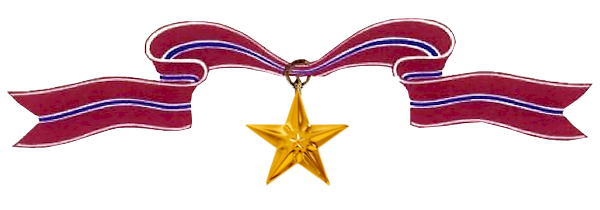
Bronze Star Medal
-
Bronze Star Medal
-
Bronze Star Medal
-

Legion of Merit
-
Bronze Star Medal
-
Bronze Star Medal
-
Bronze Star Medal
Service:
United States NavyRank:
Lieutenant CommanderDivision:
Prisoner of War (North Vietnam)Action Date:
August 1967
The President of the United States of America takes pleasure in presenting the Bronze Star Medal with Combat “V” to Lieutenant Commander David Jay Carey, United States Navy, for heroic achievement while serving as a Prisoner of War in North Vietnam in August 1967. Under constant pressure from North Vietnamese interrogators and guards, he experienced harassment, intimidation and ruthless treatment in their attempt to gain military information and cooperative participation for propaganda purposes. He heroically resisted their routine cruelties and never wavered in his devotion and loyalty to the United States. These actions served to inspire and improve the morale of his fellow prisoners in the camp. Displaying extraordinary courage, resourcefulness and devotion to duty, he reflected great credit upon himself and upheld the highest traditions of the Naval Service and the United States Armed Forces. [The Combat Distinguishing Device is authorized.]
-
Bronze Star Medal
Service:
United States NavyRank:
Lieutenant CommanderDivision:
Prisoner of War (North Vietnam)Action Date:
June 1969
The President of the United States of America takes pleasure in presenting a Gold Star in lieu of a Second Award of the Bronze Star Medal with Combat “V” to Lieutenant Commander David Jay Carey, United States Navy, for heroic achievement while serving as a Prisoner of War in North Vietnam in June 1969. Under constant pressure from North Vietnamese interrogators and guards, he experienced harassment, intimidation and ruthless treatment in their attempt to gain military information and cooperative participation for propaganda purposes. He heroically resisted their routine cruelties and never wavered in his devotion and loyalty to the United States. These actions served to inspire and improve the morale of his fellow prisoners in the camp. Displaying extraordinary courage, resourcefulness and devotion to duty, he reflected great credit upon himself and upheld the highest traditions of the Naval Service and the United States Armed Forces. [The Combat Distinguishing Device is authorized.]
-
Bronze Star Medal
Service:
United States NavyRank:
Lieutenant CommanderDivision:
Prisoner of War (North Vietnam)Action Date:
August 12 – 15, 1969
The President of the United States of America takes pleasure in presenting a Second Gold Star in lieu of a Third Award of the Bronze Star Medal with Combat “V” to Lieutenant Commander David Jay Carey, United States Navy, for heroic achievement while serving as a Prisoner of War in North Vietnam on 12 August to 15 August 1969. Under constant pressure from North Vietnamese interrogators and guards, he experienced harassment, intimidation and ruthless treatment in their attempt to gain military information and cooperative participation for propaganda purposes. He heroically resisted their routine cruelties and never wavered in his devotion and loyalty to the United States. These actions served to inspire and improve the morale of his fellow prisoners in the camp. Displaying extraordinary courage, resourcefulness and devotion to duty, he reflected great credit upon himself and upheld the highest traditions of the Naval Service and the United States Armed Forces. [The Combat Distinguishing Device is authorized.]
-
Legion of Merit
Service:
United States NavyRank:
Lieutenant CommanderDivision:
Prisoner of War (North Vietnam)Action Date:
August 1967 – March 1973
The President of the United States of America takes pleasure in presenting the Legion of Merit with Combat “V” to Lieutenant Commander David Jay Carey, United States Navy, for exceptionally meritorious conduct in the performance of outstanding service as a Prisoner of War in North Vietnam from August 1967 to March 1973. Under the most adverse of conditions, he resisted all attempts by the North Vietnamese to use him in causes detrimental to the United States, never wavering in his devotion and loyalty to the United States. In an outstanding and tireless fashion he served as an educator to provide diversion and constructive rehabilitative thinking to his fellow prisoners during their long internment. Despite harsh treatment and a lack of material aids, he devoted long hours toward improving their morale and well-being. His extraordinary skill, resourcefulness, and dedication to duty throughout his lengthy confinement reflected great credit upon himself and were in keeping with the highest traditions of the Naval Service and the United States Armed Forces. (Lieutenant Commander Carey is authorized to wear the Combat “V”.)
-
Bronze Star Medal
Service:
United States NavyRank:
Lieutenant CommanderDivision:
Prisoner of War (North Vietnam)Action Date:
August 1969 – January 1973
The President of the United States of America takes pleasure in presenting a Fourth Gold Star in lieu of a Fifth Award of the Bronze Star Medal with Combat “V” to Lieutenant Commander David Jay Carey, United States Navy, for meritorious service while interned as a Prisoner of War in North Vietnam from August 1969 to January 1973. During this period, although under constant surveillance from his captors, he performed duties involving highly classified material in an exemplary and professional manner. Through his zealousness and ingenuity, he generated new ideas and improvised techniques greatly enhancing covert operations. Although in a hostile environment, he never wavered in his devotion and loyalty to the United States and his fellow prisoners. By his inspiring courage, exceptional skill, and resourcefulness, he reflected great credit upon himself and upheld the highest traditions of the United States Naval Service and the United States Armed Forces. [The Combat Distinguishing Device is authorized.]
-
Bronze Star Medal
Service:
United States NavyRank:
Lieutenant CommanderDivision:
Prisoner of War (North Vietnam)Action Date:
August 1969 – January 1971
The President of the United States of America takes pleasure in presenting a Third Gold Star in lieu of a Fourth Award of the Bronze Star Medal with Combat “V” to Lieutenant Commander David Jay Carey, United States Navy, for meritorious service as a Prisoner of War in North Vietnam from August 1969 to January 1971. Through his ceaseless efforts, in an atmosphere of enemy harassment, threat of torture and brutal treatment, he established and maintained intracamp communications. At great risk and in spite of further cruelty, he continued to devise many unusual and ingenious methods of communications, resulting in American and Allied prisoners resisting the enemy’s demands and at the same time improving the prisoners’ morale. By his heroic endeavors, exceptional skill, and devotion to duty, he reflected great credit upon himself and upheld the highest traditions of the Naval Service and the United States Armed Forces. [The Combat Distinguishing Device is authorized.]